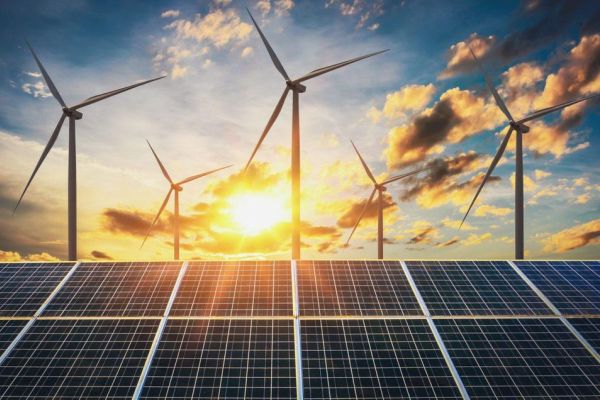
Renewable energy in residential construction is no longer just an “eco-friendly” add-on; in 2026, it has become a core financial strategy for developers and homeowners alike. Driven by rising utility costs and new regulatory frameworks, the shift toward energy independence is reshaping the Kenyan housing market.
The 2026 Regulatory Landscape
The legal environment has shifted from encouraging renewables to actively integrating them into the national infrastructure.
- Energy (Net-Metering) Regulations 2024: This is a game-changer for residential construction. Homeowners can now install bi-directional meters to feed excess solar power back into the national grid, earning credits that offset their utility bills.
- Solar Water Heating Mandates: EPRA (Energy and Petroleum Regulatory Authority) has tightened enforcement on solar water heating for domestic buildings. New residential developments are increasingly required to incorporate these systems to meet green building standards.
- 10-kW Domestic Cap: Current regulations allow domestic “prosumers” to generate up to 10-kW without complex industrial licensing, which covers over 90% of standard household needs.
Key Technology Trends in New Builds
Modern construction in areas like Kilimani and emerging satellite towns is moving beyond simple “solar panels on the roof.”
1. Hybrid Storage Solutions
With the fall in prices for Lithium-ion and the emergence of Sodium-ion batteries in 2026, developers are moving away from grid-only or lead-acid setups. Hybrid systems—which combine solar, battery storage, and the grid—ensure 99% uptime for security and Wi-Fi during outages.
2. “Solar-Ready” Architectural Design
Forward-thinking architects are now designing “solar-ready” roofs from the foundation. This includes:
- Optimal Orientation: Designing roof pitches specifically for maximum irradiance.
- Embedded IoT Wiring: Pre-installing conduits for smart sensors and solar inverters during the structural phase to avoid expensive retrofitting later.
3. Smart Home Integration
Renewable energy is being paired with AI-driven energy management systems.
Automated Climate Control: Using solar-powered sensors to manage ventilation, reducing the need for high-energy HVAC systems.
Load Balancing: Smart panels that automatically prioritize solar power for heavy appliances (like washing machines) during peak sun hours.